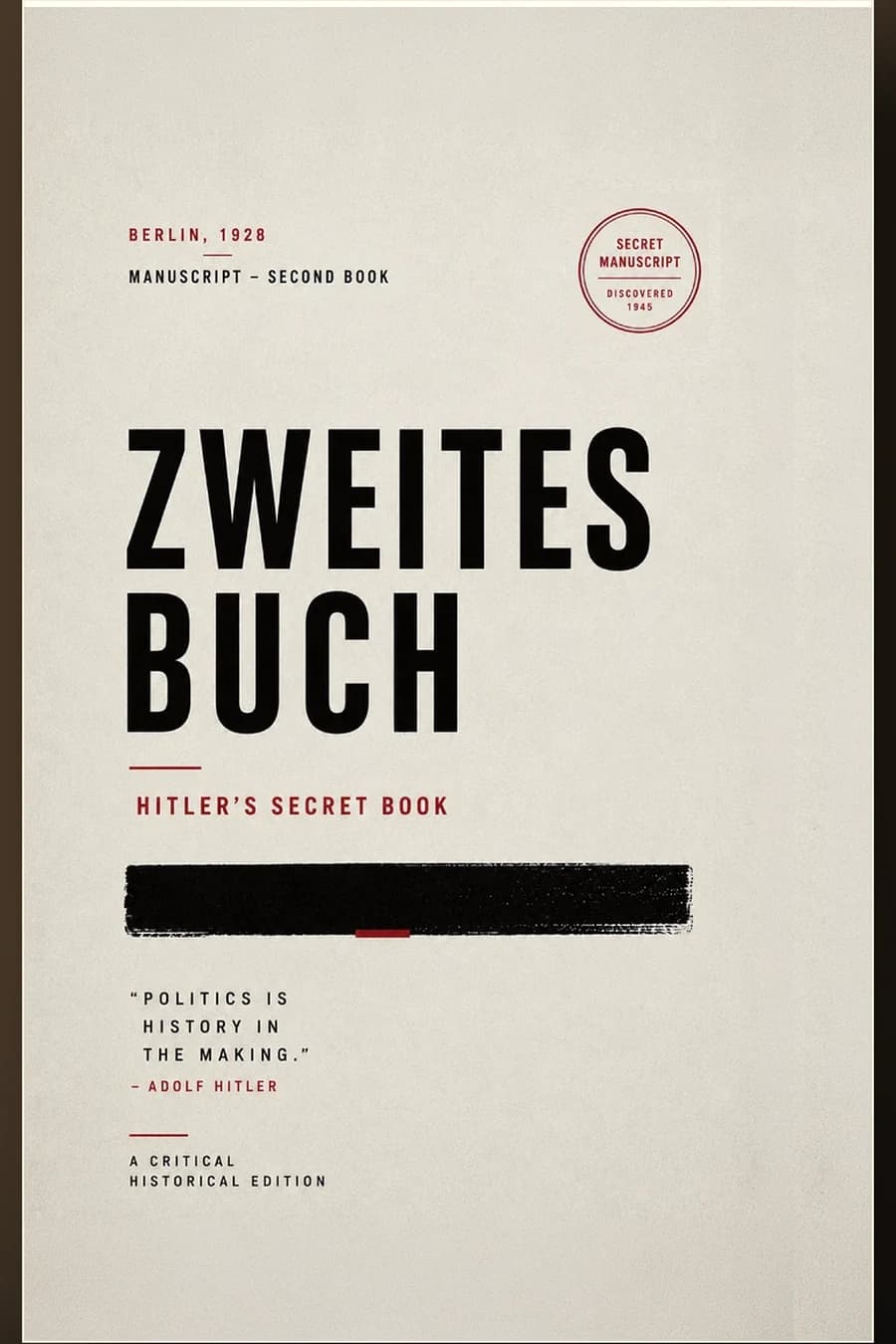
Adolf Hitler’s Mein Kampf (“My Struggle”) is a deeply revealing account of the ideology that shaped one of history’s most devastating conflicts. Written during his 1924 imprisonment after the failed Beer Hall Putsch, this two-volume work combined is an autobiography, political philosophy, and racial ideology to outline Hitler’s vision for Germany. From his formative years in Austria to his rigid beliefs about nationalism and race, Mein Kampf provides insight into the origins of Nazi ideology, including its hostility toward democracy, antisemitic scapegoating, and territorial ambitions in Eastern Europe.
Why This Book Matters
• Historical Significance: As the ideological foundation of the Third Reich, Mein Kampf is Of particular interest to understanding the factors that led to World War II and the Holocaust. Hitler’s rhetoric offers a stark reminder of how radical ideas can escalate into global tragedy.
• Political Strategy: Beyond its extreme ideology, the book demonstrates how propaganda, mass psychology, and fear-based messaging can manipulate public opinion—tactics that remain relevant in political and media studies today.
Controversy & Legacy
Banned in Germany until 2016, Mein Kampf has been called a dangerous work and an indispensable academic resource. In the postwar era, it became a subject of study for those seeking to understand totalitarian regimes and the power of extremist rhetoric. Its republication has sparked a debate: Should it serve as a historical warning, or does it risk normalising harmful ideas? This edition, translated by James Murphy, presents the text with the necessary context, emphasising education over glorification.
Who Should Read It?
• Historians & Educators: A primary source for analysing extremist rhetoric and its consequences.
• Students of Politics: A case study in propaganda, authoritarianism, and the rise of totalitarian movements.
• General Readers: A difficult but necessary exploration of how ideology can shape history, for better or worse.
Mein Kampf is not a book to be admired—it is a cautionary document.